
Let’s face it, our gardens often have a thirstier personality than a toddler after a day at the playground. We water, we fertilize, we mow – a relentless cycle that can turn our green spaces into ecological energy sinks. But what if there was a way to have a stunning yard that’s also kind to our planet (and our wallets)? Enter the wonderfully practical world of sustainable landscaping practices. It’s not about living in a mud hut (unless that’s your vibe, no judgment here!), but about making smart, conscious choices that benefit your garden, your local ecosystem, and the Earth at large.
Embracing the “Right Plant, Right Place” Mantra
One of the most glaring environmental faux pas in traditional landscaping is planting things that simply aren’t happy where they are. Think of trying to grow a cactus in a swamp – it’s just not going to end well, for the cactus or the gardener. Sustainable landscaping flips this on its head by prioritizing plants that are naturally suited to your specific climate, soil type, and light conditions.
Native Plants: The Ultimate Homebodies: These are the superstars of sustainable landscaping. Native plants have evolved over millennia to thrive in your region, meaning they’re already equipped to handle local rainfall patterns, soil compositions, and pest pressures. They require less supplemental watering, fertilizing, and pest control, saving you time, money, and a whole lot of horticultural headaches. Plus, they provide vital habitat and food for local wildlife – a win-win-win!
Drought-Tolerant Choices: Hydration Heroes: If you live in a dry climate, or even just want to reduce your water bill (who doesn’t?), opt for plants that can handle a bit of parched earth. Succulents, ornamental grasses, and many wildflowers are remarkably resilient and can add incredible texture and color without demanding constant irrigation. It’s about working with nature’s flow, not against it.
Understanding Your Microclimate: Even within a single yard, you have different microclimates. A shady, damp corner is entirely different from a sun-baked patio. By observing these variations and choosing plants accordingly, you minimize stress on your plants and, consequently, your gardening efforts. I’ve often found that simply repositioning a plant can make all the difference between a wilting disappointment and a flourishing success.
Water-Wise Wonders: Don’t Let Your Garden Drown (or Dry Out!)
Water is our most precious resource, and our landscapes can be surprisingly thirsty consumers. Implementing sustainable landscaping practices around water management is crucial. It’s not about letting your garden resemble the Sahara, but about using water efficiently and effectively.
Smart Irrigation Systems: The Techy Approach: Forget sprinklers that blast your sidewalk more than your petunias. Consider drip irrigation systems or soaker hoses, which deliver water directly to the plant’s roots, minimizing evaporation. Smart controllers that adjust watering schedules based on weather forecasts are also game-changers.
Rainwater Harvesting: Nature’s Freebie: Why let precious rainwater run down the drain when you can capture it? Rain barrels connected to your downspouts are a simple yet effective way to collect water for your garden. This reduces your reliance on municipal water and helps alleviate stormwater runoff, which can pollute local waterways.
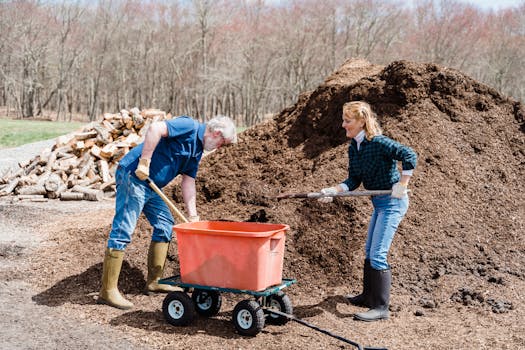
Mulching Magic: The Unsung Hero: A generous layer of mulch (organic materials like wood chips, straw, or compost) is one of the easiest and most impactful sustainable landscaping practices. It conserves soil moisture by reducing evaporation, suppresses weeds (fewer weeds, less work!), and gradually enriches the soil as it breaks down. It’s like a cozy blanket for your garden beds.
Soil Health: The Foundation of Flourishing Flora
A healthy garden starts with healthy soil. For too long, we’ve treated soil like inert dirt, but it’s a complex, living ecosystem teeming with beneficial microbes. Nurturing your soil is fundamental to sustainable landscaping.
Composting: Turning Scraps into Gold: Your kitchen scraps and yard waste don’t have to end up in a landfill. Composting turns them into nutrient-rich humus that will transform your soil structure, improve water retention, and feed your plants naturally. It’s a bit like magic, but with more worms.
Avoiding Chemical Overload: Let Nature Do the Heavy Lifting: Synthetic fertilizers and pesticides can harm beneficial soil organisms, pollute waterways, and even impact human health. Embrace organic alternatives. Healthy soil, populated with earthworms and microbes, can naturally provide most of the nutrients your plants need. Sometimes, a little imperfection is exactly what nature intended.
No-Till Gardening: Disturb Less, Grow More: Minimizing soil disturbance through practices like no-till or low-till gardening helps preserve soil structure, prevent erosion, and protect the intricate web of life within the soil. It’s about letting the soil do its thing without constant disruption.
Designing for Biodiversity: Welcoming the Critters
A truly sustainable landscape isn’t just about the plants; it’s about the entire ecosystem it supports. Creating a haven for local wildlife is a beautiful and essential aspect of sustainable landscaping practices.
Attracting Pollinators: Buzzworthy Benefits: Bees, butterflies, and other pollinators are vital for our food systems and natural ecosystems. Plant a variety of flowering plants that bloom throughout the season to provide a continuous food source. Native flowering plants are particularly attractive to local pollinator species.
Providing Shelter and Water: Beyond food, wildlife needs places to live and drink. Consider adding a bird bath, a small pond (even a simple container pond!), or leaving a small patch of leaf litter for beneficial insects. Native shrubs and trees offer excellent nesting and hiding spots.
Reducing Lawn Size: More Nature, Less Mowing: Large expanses of monoculture lawn offer little ecological value and require significant resources to maintain. Consider replacing some of your lawn with native groundcovers, wildflower meadows, or a more diverse shrub border. This reduces mowing time and creates a more vibrant, biodiverse habitat.
The “Less is More” Approach: Rethinking Traditional Practices
Sometimes, the most sustainable approach is to simply do less. Traditional landscaping often involves excessive inputs of water, chemicals, and energy. Rethinking these habits is key.
Reducing Chemical Inputs: As mentioned, avoiding synthetic fertilizers and pesticides is paramount. Look for organic alternatives or embrace the idea that a few nibbled leaves are a sign of a healthy ecosystem.
Energy-Efficient Maintenance: Consider the energy used for mowing, trimming, and blowing. Opting for manual tools where feasible, or choosing electric alternatives, can significantly reduce your carbon footprint.
* Permeable Paving: If you have hardscaping like patios or walkways, choose permeable materials that allow water to soak into the ground rather than running off. This reduces stormwater issues and replenishes groundwater.
Wrapping Up: Your Greener, Happier Garden Awaits
Embracing sustainable landscaping practices isn’t about sacrifice; it’s about intelligent design and a deeper connection with nature. It’s about creating a garden that’s not only beautiful and resilient but also a positive contributor to your local environment. You’ll save water, reduce waste, support wildlife, and likely spend less time wrestling with fussy plants and more time simply enjoying your outdoor oasis.
So, as you look out at your lawn, consider this: what one small, sustainable change can you make this season to bring more life, resilience, and ecological harmony to your little patch of the planet?