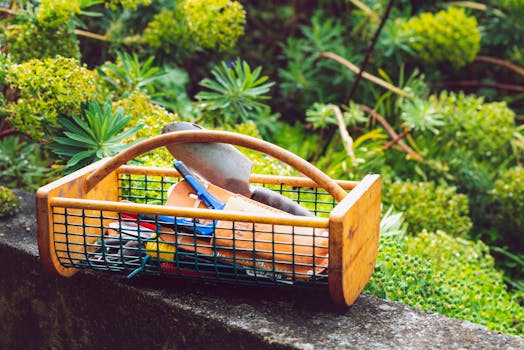

The allure of a flourishing garden is undeniable, isn’t it? Visions of vibrant blooms, bountiful harvests, and the sheer satisfaction of nurturing life from the soil fill our minds. But for the budding gardener, that first step into the garden center can feel overwhelming. Shelves brim with an astonishing array of tools, each promising to be the key to horticultural success. Is it really about having the most gadgets, or is there a more thoughtful approach to equipping ourselves for this rewarding journey? Many assume that diving into gardening requires a significant investment in specialized equipment right from the start. However, the truth is often far simpler and more practical. Let’s explore what truly constitutes the best gardening tools for beginners, focusing on function, durability, and ultimately, empowering your growing adventure.
Do You Really Need a Trowel for Every Occasion? Navigating the Basics
When you’re just starting out, it’s easy to get caught up in the notion that specialized tools equate to better results. Think about it: do you need a specific weeding tool for every type of weed, or a pruning shear designed exclusively for rose bushes? Probably not. The most effective approach for beginners is to identify a core set of versatile, high-quality tools that can handle the majority of common gardening tasks. This not only saves you money but also prevents unnecessary clutter and complexity. The focus should be on understanding why a tool is useful, not just its shiny appearance.
The Foundation: What Your Hands Will Reach For Most
Let’s break down the absolute essentials. These are the workhorses of the garden, the items you’ll find yourself reaching for repeatedly, regardless of what you’re planting. Investing in a few quality pieces here will pay dividends in comfort and efficiency.
#### Digging In: The Mighty Hand Trowel and Cultivator
The Hand Trowel: This is your primary digging tool for smaller tasks. Think about transplanting seedlings, digging holes for bulbs, or incorporating amendments into existing soil. What makes a good trowel? Look for a sturdy, one-piece construction, preferably forged from stainless steel. A comfortable, ergonomic handle is crucial; you’ll be holding it a lot! Consider one with a slightly pointed tip for easier penetration of the soil and perhaps even measurement markings if you’re precise.
The Hand Cultivator: Often overlooked, a hand cultivator is a fantastic multi-tasker. Its three or four prongs are perfect for breaking up compacted soil, aerating planting beds, removing small weeds, and even gently mixing in compost. It’s like having a mini-rake and fork combined. Again, durability and a comfortable grip are key.
#### Cutting Through the Chaos: Secateurs and Their Role
Pruning Shears (Secateurs): Whether you’re deadheading spent flowers, trimming overgrown shrubs, or harvesting vegetables, a good pair of secateurs is indispensable. For beginners, bypass pruners are generally recommended. They work like scissors, with one blade passing over the other, resulting in clean cuts that are less damaging to plants and promote faster healing. Look for blades made of high-carbon steel, which holds an edge well. Consider the hand size; many come in different sizes, and finding one that fits comfortably in your hand will prevent fatigue and blisters.
Why bypass? It’s all about precision and plant health. Anvil pruners, while robust, can crush stems, which isn’t ideal for delicate new growth.
Beyond the Hands: Larger Tools for Bigger Jobs
Once you’ve got your hand tools sorted, you’ll likely encounter tasks that require a bit more leverage and reach. These tools are about making larger-scale work more manageable.
#### The Backbone of the Bed: Spades and Forks
The Digging Spade: This is your go-to for turning over new beds, digging larger holes, or moving soil. A sharp, pointed blade allows for easier entry into the ground, especially in tougher soil. Look for a strong, tempered steel blade and a comfortable D-shaped or T-shaped handle that allows for a good grip and leverage. Is the shaft material important? Absolutely! Fiberglass or steel shafts are generally more durable than wood, offering better resistance to weathering and breakage.
The Garden Fork: A good garden fork is surprisingly versatile. It’s excellent for breaking up compacted soil without turning it over completely (which can disrupt soil structure), aerating lawns, and even lifting root vegetables like potatoes. Its tines can also be used to push soil around or incorporate compost. Again, a strong build and a comfortable handle are paramount.
#### Taming the Overgrowth: Loppers and Saws (When Needed)
While secateurs handle smaller branches, for anything thicker than a pencil, you’ll need something more substantial.
Loppers: These are essentially long-handled secateurs, providing extra leverage for cutting branches up to about 1.5-2 inches in diameter. They are invaluable for pruning larger shrubs and small trees. Like secateurs, bypass loppers offer cleaner cuts.
Pruning Saw: For branches that are too thick for loppers, a pruning saw becomes your best friend. There are folding saws, curved saws, and straight saws. A folding saw is often a good choice for beginners due to its safety and compact storage.
The Supporting Cast: Essential Accessories for Success
Beyond the primary tools, a few other items can significantly enhance your gardening experience and protect your investments.
#### Keeping Things Tidy and Organized
Gloves: Protection is key! Good gardening gloves prevent blisters, thorns from piercing, and keep your hands clean. Consider different types: leather for heavy-duty work, fabric for general use, and even waterproof ones for wet conditions.
Watering Can or Hose: Obviously, your plants need water. A watering can is perfect for seedlings and small pots, offering control and precision. For larger areas, a hose with an adjustable nozzle is indispensable.
Wheelbarrow or Garden Cart: If you plan on doing any significant planting, moving compost, or tidying up, a wheelbarrow or garden cart will save your back. Even a small, sturdy model can make a world of difference.
Making Informed Choices: What to Prioritize
When you’re evaluating your best gardening tools for beginners options, always ask yourself:
What tasks will I actually be doing? Start with the most frequent activities.
Is this tool built to last? Cheaper tools might seem appealing, but they often break quickly, leading to frustration and more spending in the long run. Look for reputable brands and sturdy materials.
Is it comfortable to use? This is a personal preference, but if a tool feels awkward or heavy, you’re less likely to use it.
* Can it serve multiple purposes? Versatility is your friend when you’re starting out.
Wrapping Up: Cultivating Confidence, One Tool at a Time
Ultimately, the journey of gardening is about learning, experimenting, and growing alongside your plants. Don’t let the sheer volume of available tools intimidate you. By focusing on a few high-quality, versatile essentials, you’re not just equipping yourself; you’re investing in a foundation of confidence. As you gain experience and discover your specific gardening passions, you can gradually expand your collection. Remember, the most effective tool is the one that helps you connect with nature and find joy in the process. Start with the basics, nurture your skills, and watch your garden—and your gardening prowess—blossom.