
Picture this: a weekend beckons, a nagging home repair item on your list, and that familiar urge to roll up your sleeves and tackle it yourself. There’s an undeniable satisfaction in transforming your living space with your own hands. But the sheer volume of tools out there can be overwhelming, leaving many DIY hopefuls wondering: what actually makes the cut when it comes to the best tools for home DIY projects? It’s not about having the most tools, but having the right ones that empower you to accomplish tasks efficiently and safely, turning frustration into accomplishment.
The Foundation: Essential Hand Tools Every Homeowner Needs
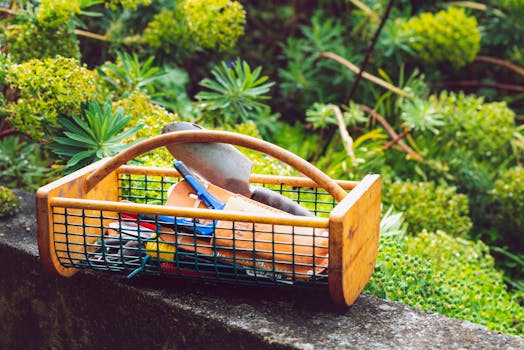
Before you even think about power tools, a solid foundation of hand tools is paramount. These workhorses are the unsung heroes of countless DIY endeavors, from hanging a picture frame to assembling flat-pack furniture.
Screwdrivers: A good set of Phillips and flathead screwdrivers in various sizes is non-negotiable. Look for ones with comfortable, non-slip grips. Magnetic tips can be a lifesaver when working with small screws.
Pliers: Needle-nose pliers are fantastic for intricate tasks and reaching tight spots. Slip-joint pliers offer versatility for gripping, bending, and cutting.
Wrenches: An adjustable wrench is your go-to for nuts and bolts of various sizes. A basic set of combination wrenches (open-end and box-end) will also prove invaluable for more precise jobs.
Hammer: A claw hammer is the classic choice. It’s essential for driving nails and, of course, prying them out. Opt for a comfortable weight that feels balanced in your hand.
Utility Knife: Indispensable for opening packages, scoring materials, and countless other cutting tasks. Always use it with caution.
Tape Measure: Accuracy is key in DIY. A durable tape measure with clear markings and a locking mechanism is a must-have.
Level: Whether it’s a small torpedo level for shelves or a longer spirit level for larger projects, ensuring things are straight is crucial.
These fundamental tools are the building blocks of any DIY toolkit. They don’t require batteries, they’re generally affordable, and they’ll serve you faithfully for years to come.
Stepping Up: Power Tools That Amplify Your Capabilities
Once you’ve got your hand tools sorted, it’s time to consider power tools. These can dramatically speed up your work and allow you to tackle more ambitious projects. Choosing the right power tools for home DIY projects often comes down to understanding their primary functions and your personal project aspirations.
#### The Workhorse Drill: More Than Just Holes
A cordless drill/driver is arguably the most versatile power tool you can own. Its applications extend far beyond simply drilling holes.
Drilling: From pilot holes for screws to creating larger apertures, a good drill handles it. Consider drill bit sets for different materials like wood, metal, and masonry.
Driving Screws: This is where the drill truly shines for everyday tasks. It can drive screws faster and with less effort than manual screwdrivers, making furniture assembly or disassembling a breeze.
Versatility: With the right attachments, a drill can even be used for sanding, polishing, or mixing paint.
When selecting a cordless drill, pay attention to voltage (18V is a good sweet spot for most home projects), battery life, and ergonomics. Lithium-ion batteries are the standard, offering good power and longevity.
#### Cutting with Confidence: Saws for Every Need
Saws are essential for any project involving cutting wood, plastic, or other materials. The type of saw you need will depend on the complexity of your cuts.
Circular Saw: For making straight cuts across larger pieces of lumber, a circular saw is incredibly effective. It’s a staple for framing, building shelves, or breaking down sheet goods.
Jigsaw: This versatile saw excels at making curved cuts and intricate shapes. It’s ideal for detail work and cutting out openings.
Reciprocating Saw: Often called a “Sawzall” (a popular brand name), this powerful saw is designed for demolition and rough cutting. It can tackle stubborn pipes, old framing, and more.
For those who dabble in finer woodworking or need precise cuts on smaller pieces, a miter saw or a table saw might be considered, but these are generally more advanced and space-intensive tools.
Specialized Tools for Smarter Projects
Beyond the fundamental categories, certain specialized tools can make specific DIY tasks significantly easier and more effective. These are often the unsung heroes that elevate your projects from good to great.
#### Measuring and Marking Precision
While a tape measure is essential, other tools ensure your measurements and markings are spot on, preventing costly errors.
Laser Measure: For longer distances or when you need to measure an area quickly, a laser measure can be a game-changer. It provides instant, accurate readings without the need for a physical tape.
Combination Square: This handy tool combines a ruler, a square, a miter, and a level, making it perfect for marking 90-degree and 45-degree angles.
Chalk Line: For marking long, straight lines on walls or floors, a chalk line is incredibly efficient.
#### Tackling Walls and Ceilings
Working at heights or with drywall requires specific tools to ensure safety and a professional finish.
Stud Finder: Locating wall studs is critical for secure mounting of shelves, TVs, and heavy fixtures. Electronic stud finders are readily available and easy to use.
Drywall Tools: If you’re patching or installing drywall, a drywall knife or trowel, along with joint compound, will be necessary.
The Importance of Safety Gear
No discussion about the best tools for home DIY projects would be complete without emphasizing safety. Investing in personal protective equipment (PPE) is not an option; it’s a necessity.
Safety Glasses: Essential for protecting your eyes from flying debris, dust, and sparks.
Work Gloves: Protect your hands from splinters, cuts, and abrasions, while also providing a better grip.
Hearing Protection: Power tools can be incredibly loud. Earplugs or earmuffs are crucial for preventing long-term hearing damage.
Dust Mask or Respirator: Particularly important when cutting, sanding, or working with materials that produce fine dust, like drywall or old paint.
Making Smart Choices for Your DIY Journey
When selecting tools, consider your current skill level, the types of projects you’re most likely to undertake, and your budget. It’s often wise to start with a core set of essential hand tools and a reliable cordless drill, then gradually expand your collection as your DIY ambitions grow.
Remember, even the best tools require practice and a willingness to learn. Don’t be afraid to consult online tutorials or seek advice from experienced DIYers. The satisfaction of completing a project with your own hands, armed with the right equipment, is truly rewarding.
Wrapping Up: Your DIY Future Starts Now
Building a collection of the best tools for home DIY projects is an investment in your home and your own capabilities. It’s about empowering yourself to make improvements, solve problems, and add personal touches to your living space. From the fundamental hand tools that have stood the test of time to the modern power tools that enhance efficiency, each piece of equipment plays a vital role. By carefully selecting your tools, prioritizing safety, and embracing the learning process, you’ll be well on your way to conquering your home improvement goals and enjoying the immense satisfaction that comes with successful DIY. So, gather your essentials, and let the projects begin!